What We Fix
Why Slideouts Fail and What Happens When They Do
Slideouts give you extra living space when you're parked, but they also create one of the most common points of failure on any RV. According to RVIA industry data, slideout-related issues account for roughly 18% of all warranty claims on travel trailers and fifth wheels built after 2015. That's not a small number.
Here in Fellsmere, we see the full range of slideout problems. Florida's heat warps seals faster than dry climates, salt air corrodes electrical connections, and heavy afternoon rains find every gap a worn gasket leaves behind. I've responded to calls where an owner parked at a campground in Sebastian, hit the slideout button, and nothing happened. No sound, no movement. They were stuck sleeping in a coach that felt like a hallway.
The most common slideout failures we handle include:
- Motor burnout from overloaded or misaligned slides
- Seal deterioration that leads to water intrusion and interior damage
- Hydraulic jack leaks and pump failures
- Electric leveling system malfunctions
- Schwintek system gear and motor issues
- Alignment drift that causes binding and uneven travel
- Slide topper fabric tears and roller mechanism failures
- Hydraulic pump cavitation and fluid contamination
- Manual override mechanisms that seize from disuse
A slideout that won't move isn't just inconvenient. It can mean you can't drive your RV safely, you can't close up for travel, or you're dealing with water pouring into your interior during the next thunderstorm. Have you ever tried to manually crank in a full-wall slide by yourself? It's not something you want to do twice. We handle all of these problems as a mobile service, so you don't have to tow your rig anywhere.
Hydraulic vs. Electric Slideout Systems
Not all slideouts work the same way, and understanding your system helps you know what to expect during a repair. The two main categories are hydraulic and electric, and each has its own strengths and failure points.
Hydraulic Slideout Systems
Hydraulic slides use a central pump, fluid reservoir, and hydraulic rams to push the room out and pull it back in. They're the workhorses of the slideout world and you'll find them on most Class A motorhomes and larger fifth wheels. Lippert/LCI's Hydraulic Slide System is the dominant brand we see. These systems can push rooms weighing over 2,000 pounds, but they need clean fluid and properly sealed rams to work right. A leaking ram seal or contaminated hydraulic fluid will bring the whole system to a halt.
Electric Slideout Systems
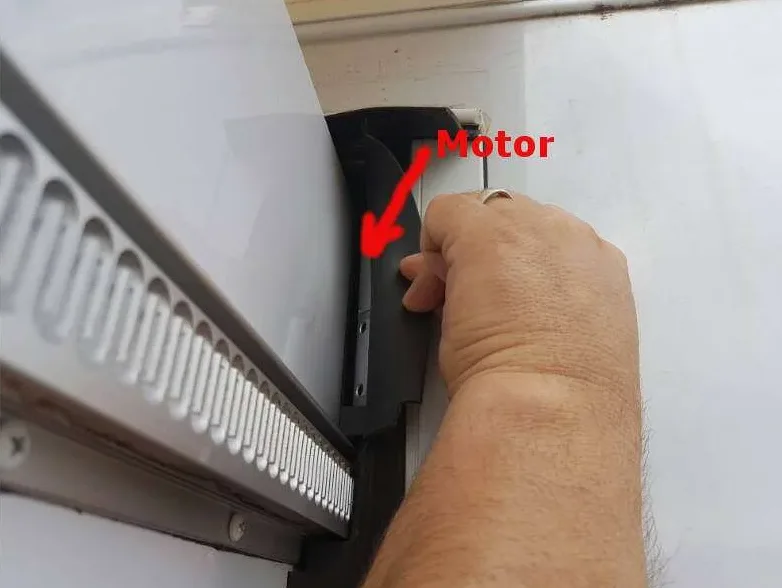
Electric slides use motors, gear drives, and either rack-and-pinion or cable mechanisms. The Schwintek In-Wall system by Lippert is the most popular electric design we service. According to Lippert's technical specifications, Schwintek motors produce up to 750 pounds of force per motor, with two motors per slide. They're lighter, quieter, and cheaper to repair, but they don't handle as much weight as hydraulic setups. When a Schwintek motor fails, you'll usually hear a clicking or humming sound without any slide movement.
We work on both types, along with older cable-driven systems and Schwinteks that have been upgraded or retrofitted. Need a diagnosis? Reach out and we'll figure out which system you have and what it needs.
Slideout Repair Pricing
Prices vary based on the system type, parts availability, and the extent of the damage. Here's what most jobs fall into.
| Service | Price Range |
|---|---|
| Slideout Motor Repair | $250 - $800 |
| Seal Replacement | $200 - $600 |
| Hydraulic Jack Service | $300 - $1,000 |
| Electric Leveling Repair | $200 - $700 |
| Schwintek System Repair | $350 - $1,200 |
| Slideout Alignment | $200 - $500 |
| Slide Topper Repair | $150 - $450 |
| Hydraulic Pump Service | $400 - $1,200 |
Every job starts with a diagnosis so you know the cost before we start turning wrenches. If something unexpected comes up, we'll call you before adding to the bill. No surprises. If your slideout issue ties into an electrical problem, we'll address both at the same time.
How It Works
We keep the process straightforward. Three steps and your slideout is working again.
Call
Call 772-356-1760 and tell us what's happening with your slideout. We'll ask a few questions to get a sense of the problem and schedule a visit that works for your timeline.
Diagnose
We come to you, inspect the slideout system, test the electrical and mechanical components, and give you a clear estimate. You'll know what's wrong and what it costs before any work begins.
Repair
We complete the repair on-site, test the slideout through multiple extension and retraction cycles, and verify the seals are seated and the alignment is correct. You're back to full use the same day.
Frequently Asked Questions
A slideout that won't move usually points to a motor failure, a blown fuse, a controller board issue, or a mechanical obstruction. On hydraulic systems, low fluid or a bad pump can cause the same problem. We'll run through the electrical and mechanical checks to narrow it down. Sometimes it's as simple as a corroded connector or a tripped breaker, but it can also mean the gear pack or ram needs replacing.
Slideout motor replacement typically runs between $250 and $800, depending on the motor type and the system. Lippert/LCI motors are the most common we see in Fellsmere. Schwintek motors tend to be on the lower end, while heavy-duty hydraulic pump motors cost more. The price includes the motor, labor, and testing through full extension and retraction cycles.
Schwintek systems use two thin electric motors with worm gears mounted inside the wall. They're lighter, quieter, and found on many newer RVs. Hydraulic systems use fluid-powered rams and a central pump. They handle heavier slides better and are common on larger fifth wheels and motorhomes. Schwintek repairs are generally less expensive, but hydraulic systems tend to be more durable under heavy loads.
Most slideout seals last 3 to 5 years with proper maintenance, though Florida's heat and UV exposure can shorten that. If you notice water leaking around your slideout, feel drafts when the slide is in, or see cracking and hardening on the rubber, it's time for replacement. We recommend inspecting your seals every spring before the rainy season starts. Treating them with a rubber conditioner twice a year helps extend their life.
Grinding usually means something is binding in the gear mechanism or the slideout is out of alignment. On Schwintek systems, worn worm gears are a common culprit. On rack-and-pinion setups, debris in the gear track or a bent rail can create that sound. Hydraulic systems might grind when the rollers are worn or the slide has shifted on its rails. Don't keep running it if you hear grinding because it can turn a minor repair into a major one.
Yes, most RV slideouts have a manual override. Electric systems usually have a crank socket behind an access panel on the exterior or interior wall. Hydraulic systems often have a manual valve you can turn to release pressure and push the slide in by hand. Check your owner's manual for the exact location. If you're stuck at a campsite, we can walk you through the override process over the phone while we schedule a repair visit.
Absolutely. We're a mobile service, so we come to you. We've done slideout repairs at campgrounds across Fellsmere, Sebastian, Vero Beach, and as far south as Port St. Lucie. We carry common slideout parts on our truck, including motors, seals, controller boards, and hydraulic fittings. Most repairs take 2 to 4 hours on-site. If we need to order a specific part, we'll get the slide safely retracted so you can travel in the meantime.
Clean and condition the rubber seals every 3 months with a silicone-based protectant. Lubricate the slide mechanism rails and gears with dry PTFE lubricant twice a year. Keep the slide topper clean and free of debris so water drains properly. Inspect the underside of the slideout floor for soft spots or water damage during each season. Run the slideouts in and out at least once a month, even during storage, to keep the seals flexible and the motors exercised.